
Architect and Sculpture
Maya Lin
Maya Lin is an American architect and artist who designs spaces that make you stop, feel, and think. When she was just a 21-year-old college student, she won a national competition to design the Vietnam Veterans Memorial in Washington, D.C. which is one of the most visited memorials in the world. A lot of her art involves carving into the earth and using natural materials so the art feels like part of the landscape. She wants people to connect with nature and with memory.
Artwork to Display

Berkeley Center for New Media, CC BY-SA 2.0 <https://creativecommons.org/licenses/by-sa/2.0>, via Wikimedia Commons
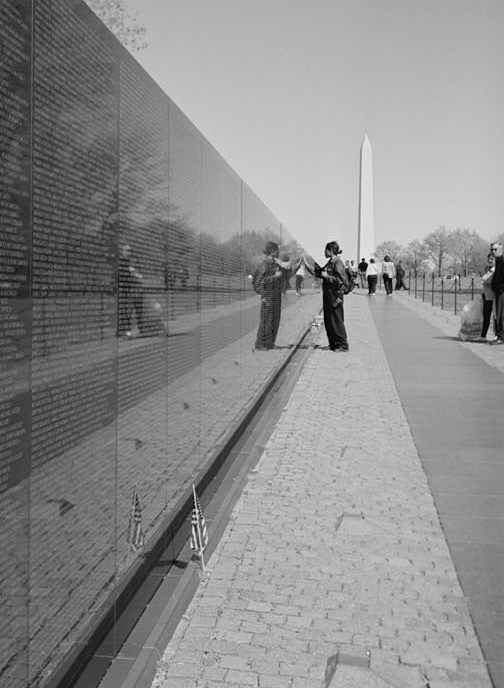
Public Domain, via Wikimedia Commons
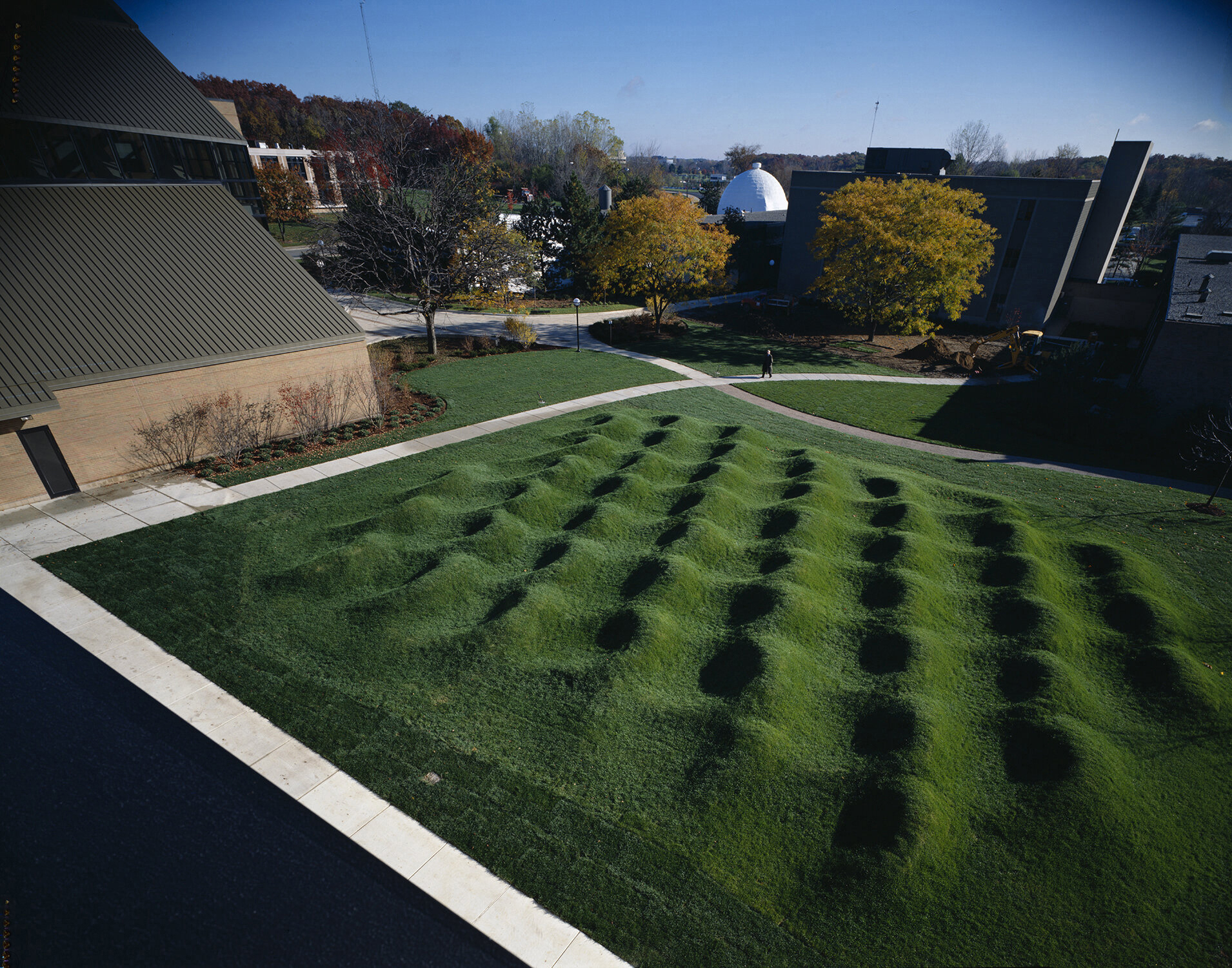
Wave Field, University of Michigan, Ann Arbor, Michigan
Maya Lin, Public domain, via Wikimedia Commons
Artwork to Display
- Vietnam Veterans Memorial, Washington D.C. (aerial and ground-level photos)
- The Wave Field (1995), University of Michigan
- Avalanche (2005)
- What is Missing? memorial project
- Maya Lin: Artist-Architect of Light and Lines by Jeanne Walker Harvey illustrated by Dow Phumiruk
- The Wall by Eve Bunting, Illustrated by Ronald Himler (a moving picture book about visiting the Vietnam Memorial)
Berkeley Center for New Media, CC BY-SA 2.0 <https://creativecommons.org/licenses/by-sa/2.0>, via Wikimedia Commons
Public Domain, via Wikimedia Commons
Wave Field, University of Michigan, Ann Arbor, Michigan
Maya Lin, Public domain, via Wikimedia Commons
Inspired by Maya Lin's earth-connected memorials and land art, your learner will draw a bird's-eye-view map of a meaningful place, using contour lines, textures, and symbols to show both the physical space and the feelings and memories it holds.
Supplies
- White paper or cardstock
- Pencil (for sketching first)
- Colored pencils, markers, or watercolors
- Optional: fine-tip black marker for outlines
Dollar store finds: colored pencils and markers are easy to find. This project requires no special supplies!
Steps
- Talk together first: what place feels special or memorable? A grandparent's yard, your own home, a favorite park, a place you've visited. It doesn't have to be somewhere you can go back to.
- Close your eyes and picture it from above, like a bird looking down. What shapes do you see? Where are the paths, the trees, the buildings, the water?
- Lightly sketch the map in pencil. Include major features. Don't try to include everything, just what matters most to you.
- Add contour lines (curved lines that show hills and slopes) around raised areas. Add texture marks for grass, gravel, or water.
- Color it in using earthy, natural tones. Add small symbols for things that are meaningful, a favorite tree, a bench, a garden.
- Optional: Write 2–3 words or a short sentence somewhere on the map that describes how this place feels.
- Show your learner a topographic map or aerial photo of your neighborhood before starting. This can help them understand the bird's-eye perspective.
- The emotional element is important! Encourage your child to include things that matter, not just things that are physically there.
- Maya Lin often works in earthy greens, browns, and grays. Encourage your child to try a more natural, muted palette rather than bright colors.